Bucharest is often described through contrasts, but rarely through nuance. Grand boulevards meet quiet backstreets, Belle Époque façades coexist with modernist buildings, and history reveals itself in layers rather than monuments.
To truly discover Bucharest, one must look beyond the postcards and experience the city at its own pace.This is a guide to authentic Bucharest, as it unfolds during a thoughtful city break in Bucharest, especially in winter, when details become more visible and the rhythm slows down.
A Natural Starting Point: Hotel Cișmigiu
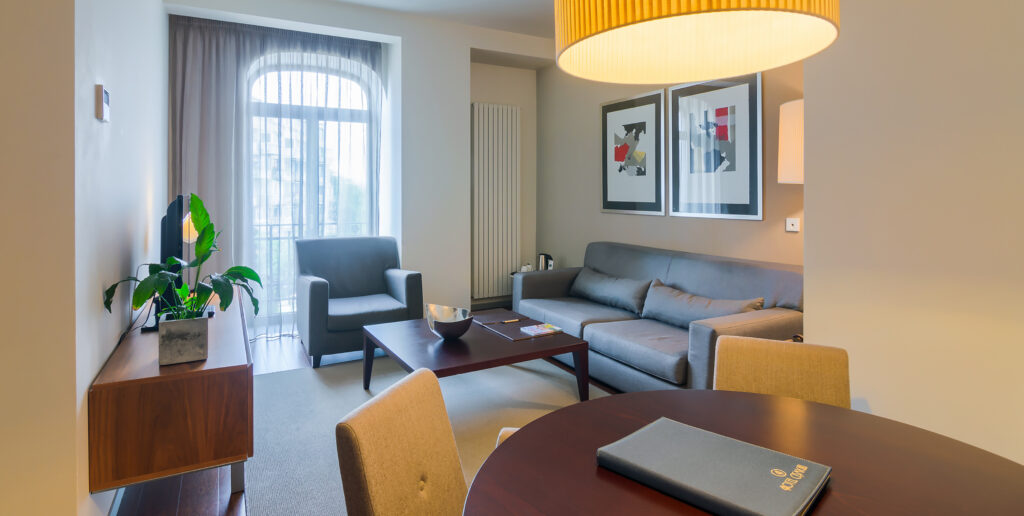
For travelers who want to experience Bucharest rather than rush through it, location matters. Hotel Cișmigiu sits beside the historic Cișmigiu Garden, in a Belle Époque building that reflects the city’s layered identity. Its spacious apartments, rooftop breakfast views and central position make it an ideal base for those who want to walk the city and feel its atmosphere. From here, many of Bucharest’s most meaningful areas are reached on foot — an essential detail when seeking authentic Bucharest.
From Cișmigiu Garden, the walk unfolds naturally. Brezoianu Street introduces a quieter, intellectual side of the city, where former publishing houses and cultural institutions still shape the atmosphere. A stop at the nearby Humanitas Cișmigiu bookstore feels almost inevitable — not just a place to browse, but a space where Bucharest’s literary life quietly continues.

As the walk continues toward Edgar Quinet, the presence of the University of Bucharest brings a creative pulse to the area. Bookshops, small galleries, and cafés appear organically, inviting pauses rather than demanding them. Cultural landmarks such as the Odeon Theatre can be found nearby. The architecture opens up, balancing Belle Époque Bucharest with interwar modernism and carefully integrated contemporary elements.
Following this route, the city begins to reveal itself not through highlights, but through continuity. Cafés become landmarks, bookstores become reference points, and streets themselves tell the story. This is authentic Bucharest experienced through walking — a city best understood step by step, at eye level, with time to observe how Bucharest history and the present quietly share the same ground.
What to See in Bucharest Beyond the Main Attractions
When visitors ask what to see in Bucharest, the answers usually focus on the obvious. But authentic Bucharest often lies in the quieter areas — places still lived in by locals.
Neighborhoods like the Armenească Quarter reveal elegant streets, historic churches, and a strong literary presence that feels quietly preserved rather than displayed. Cotroceni Quarter offers a different rhythm altogether — calm, residential, and rich in architectural detail, where tree-lined streets invite slow walks and observation.
Around Ioanid Park, refined villas and discreet gardens create a sense of continuity and balance, while Mantuleasa Street carries a symbolic weight rooted in Romanian literature, small in scale yet powerful in atmosphere. These places rarely dominate lists of tourist attractions in Bucharest, but they capture the essence of the city’s everyday life, offering some of the most genuine encounters with authentic Bucharest.
Old Town Bucharest, Revisited
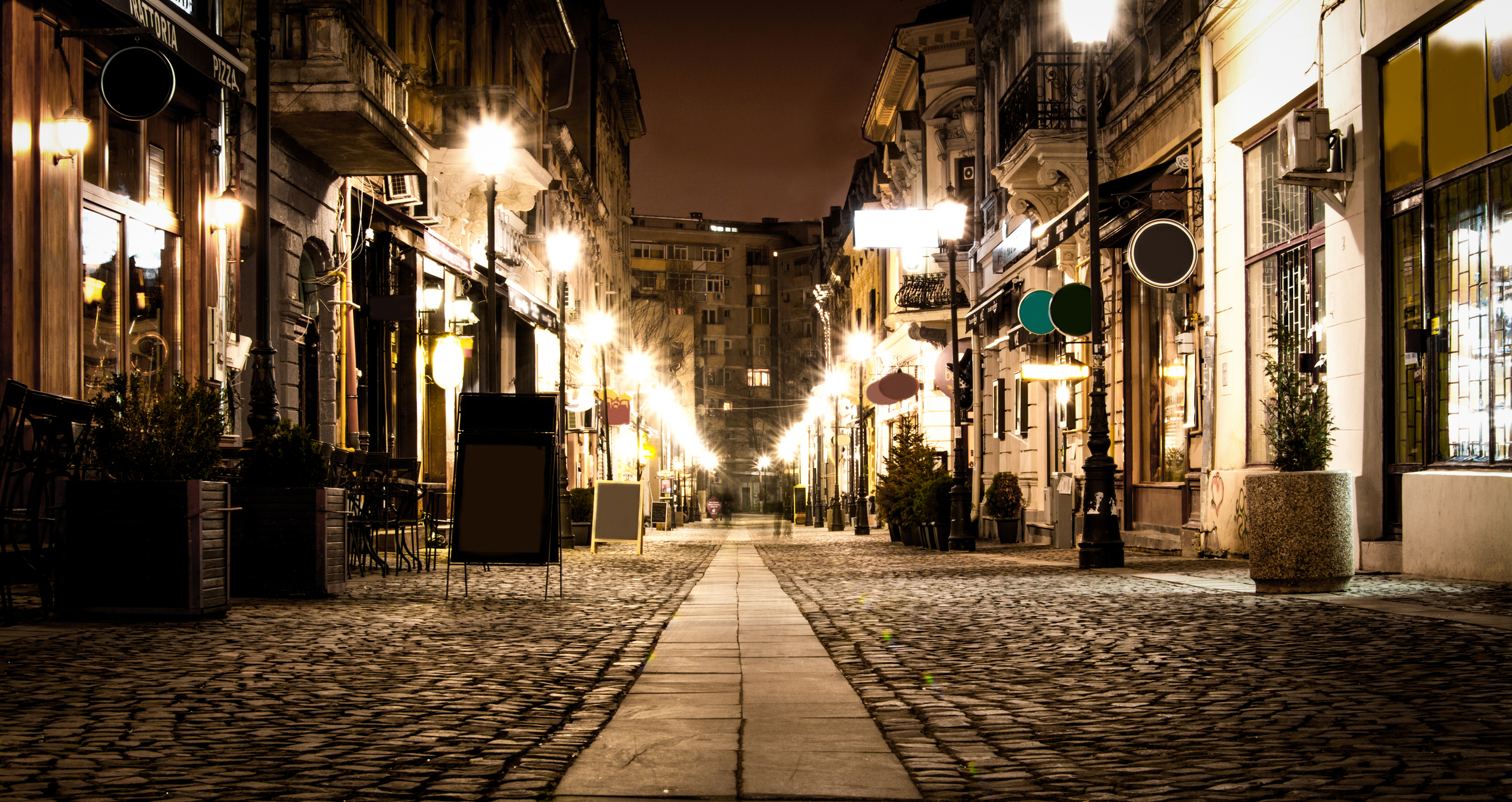
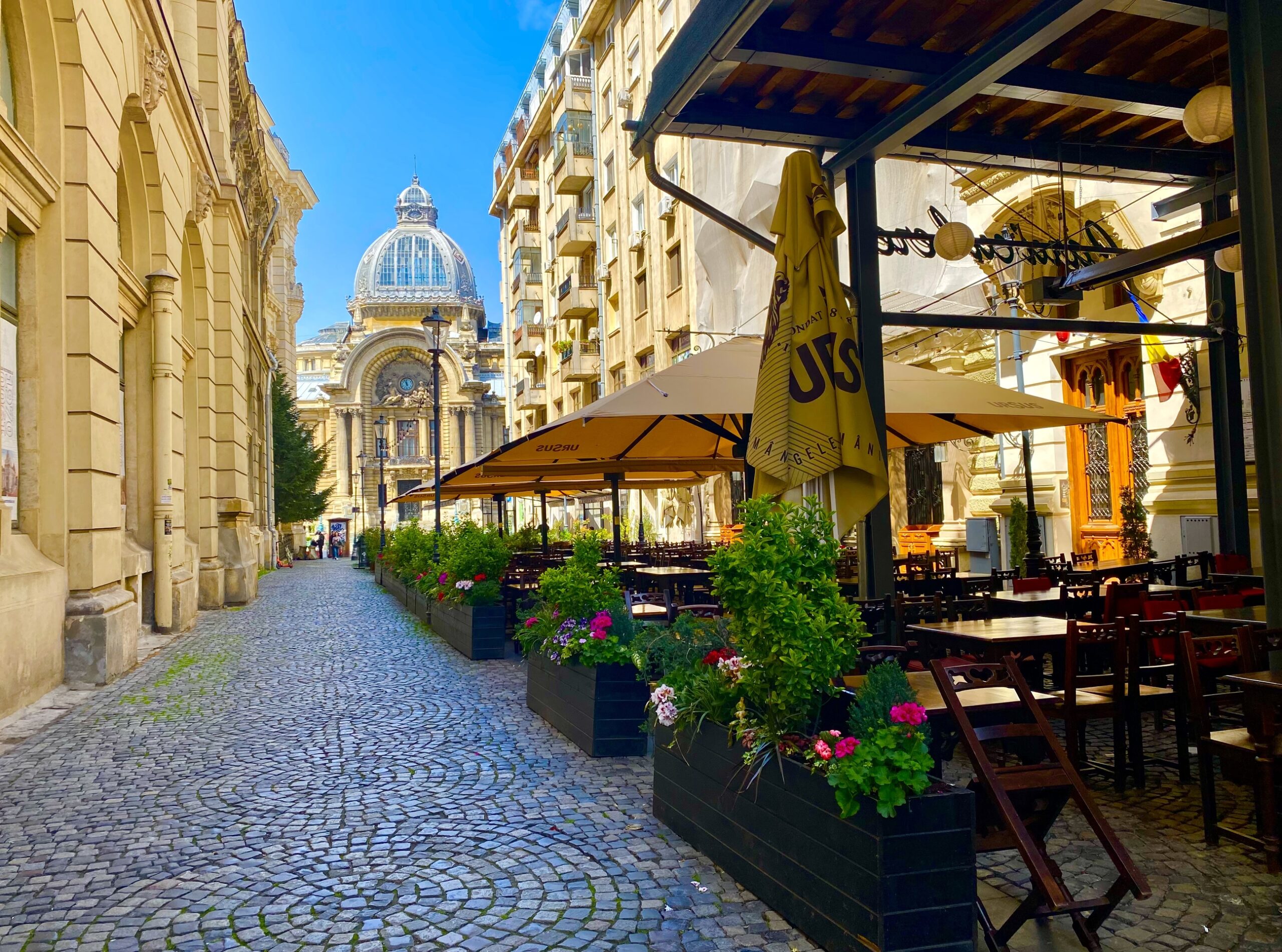
Old Town Bucharest remains one of the essential attractions in Bucharest, but timing is everything. Visit it in the morning or during colder days, when the streets reveal their historical layers. Beyond its reputation for nightlife, this area reveals a quieter identity rooted in memory and continuity. The small Stavropoleos Church offers a moment of stillness, its carved stone and peaceful courtyard standing in gentle contrast to the surrounding streets.
Nearby, Manuc’s Inn recalls the time when Bucharest was a crossroads for merchants and travelers, its generous courtyard and historic walls preserving the spirit of an earlier city. Just a short walk away, the remains of Curtea Veche — the Old Princely Court — mark the origins of Bucharest itself, grounding the neighborhood in centuries of political and cultural history.
Experienced outside peak hours, Old Town transforms into a space of reflection rather than spectacle, revealing one of the most authentic layers of Bucharest.
Museums in Bucharest: Intimate and Cultural
The museums in Bucharest reflect the city’s cultural depth not through scale, but through intimacy. Beyond the major institutions, the city reveals itself in museums that feel personal, almost conversational.
The National Museum of Art of Romania offers a clear reading of the country’s artistic evolution, from classical works to modern voices, while the Theodor Pallady Museum invites visitors into a more private universe, where art and daily life coexist naturally within a historic house. The George Enescu Museum adds another layer, telling the story of Romania’s most celebrated composer in a space that feels both monumental and deeply human.
Scattered throughout the city center, literary museums housed in former residences further enrich this landscape, allowing visitors to step directly into the worlds of writers and thinkers who shaped Bucharest’s cultural identity. Together, these spaces reveal the art of Bucharest as thoughtful, layered, and quietly expressive — a culture that values depth over display.

Street Food Bucharest and Everyday Cuisine
Food in Bucharest is rarely about spectacle. Street food Bucharest means bakeries, soup bars, small neighborhood restaurants, and places where locals eat without ceremony. Eating like a local is one of the simplest ways to connect with the city and experience Bucharest as locals do.
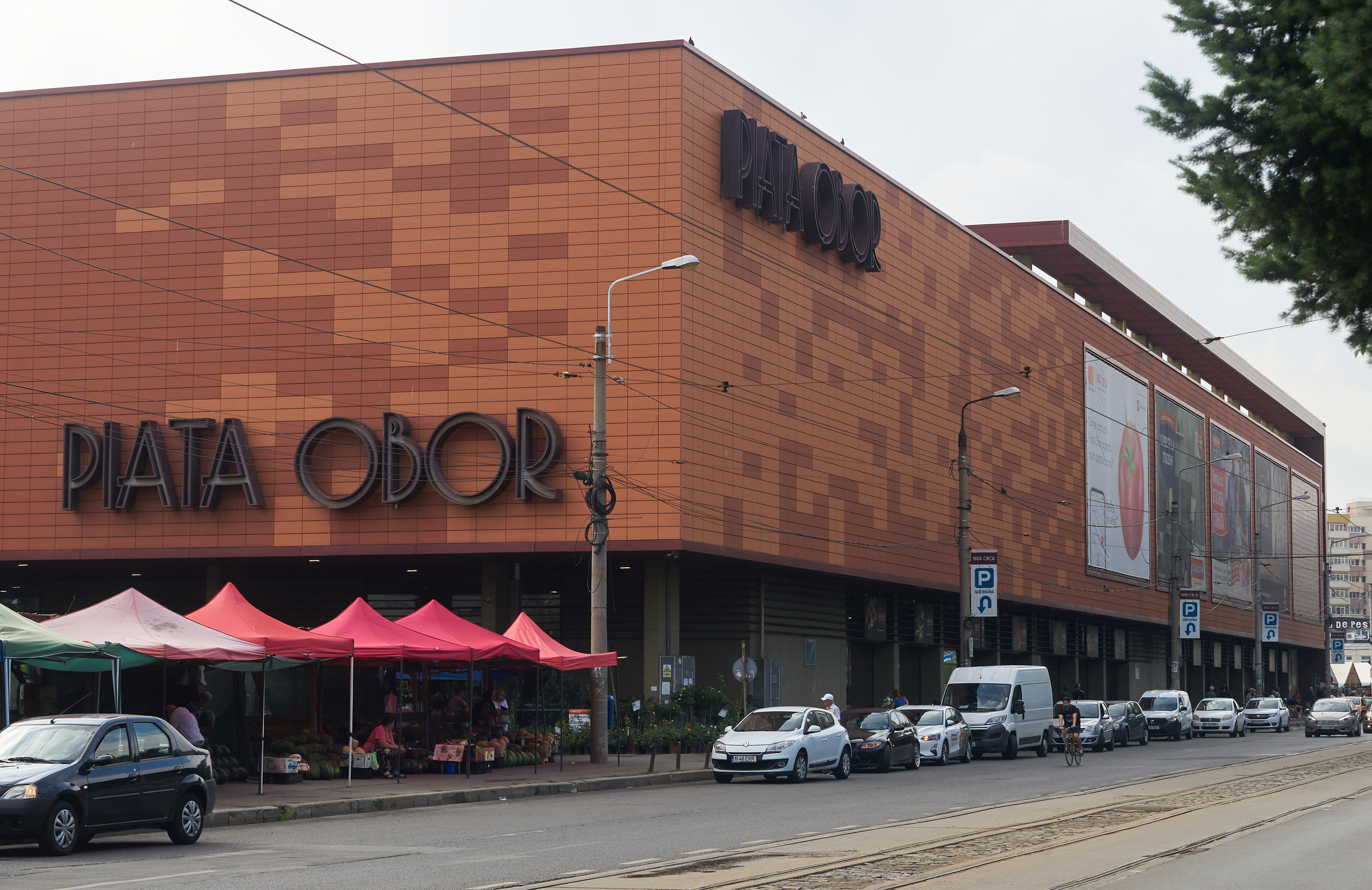
One of the best places for this is Piața Obor, the city’s most enduring farmers’ market and a living piece of Bucharest’s commercial tradition. For more than a century, this has been a meeting point for producers, traders, and locals, evolving from a traditional market into one of the city’s most authentic food destinations.
Today, visitors come not only for fresh produce, but also for the famous mici, prepared and eaten exactly as they always have been — informal, generous, and deeply rooted in local culture. Obor feels unapologetically real, a place where everyday Bucharest unfolds without filters.
Closer to the city center, bakeries open early, soup bars fill up at lunchtime, and small neighborhood restaurants quietly serve dishes shaped by season rather than trend. In winter especially, menus turn comforting — warm soups, slow-cooked meals, familiar flavors that invite lingering rather than spectacle.
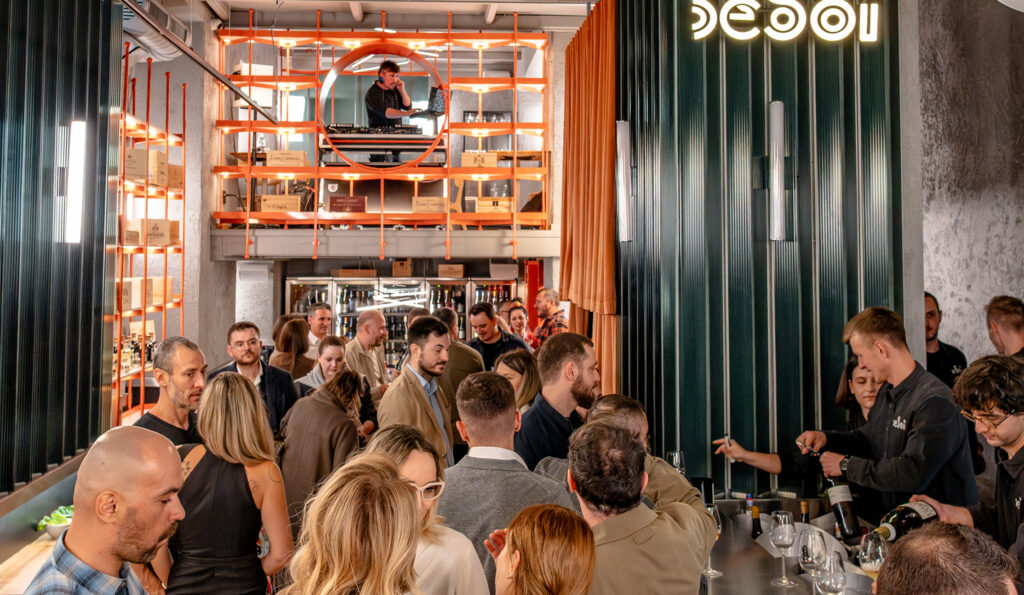
Within this landscape, places like De Soi, located at the ground floor of Hotel Cișmigiu, fit naturally. It is the kind of restaurant that belongs to the neighborhood as much as to the hotel — a space where locals and travelers cross paths over simple, well-prepared food. Scattered throughout the city, similar places define street food Bucharest not as a trend, but as an everyday ritual. For visitors, sharing these spaces is one of the most direct ways to connect with authentic Bucharest — through taste, repetition, and the quiet comfort of eating where the city eats.
Christmas Markets Bucharest and the Winter Atmosphere
December brings a softer glow to the city. Christmas markets of Bucharest add warmth and light to public squares, while streets near parks and historic areas feel particularly atmospheric.
Visitors planning things to do in Bucharest in December will find the city calmer, more reflective, and deeply inviting. Winter reveals a quieter confidence — one of the most appealing aspects of the city and lesser known tourist attractions in Bucharest.
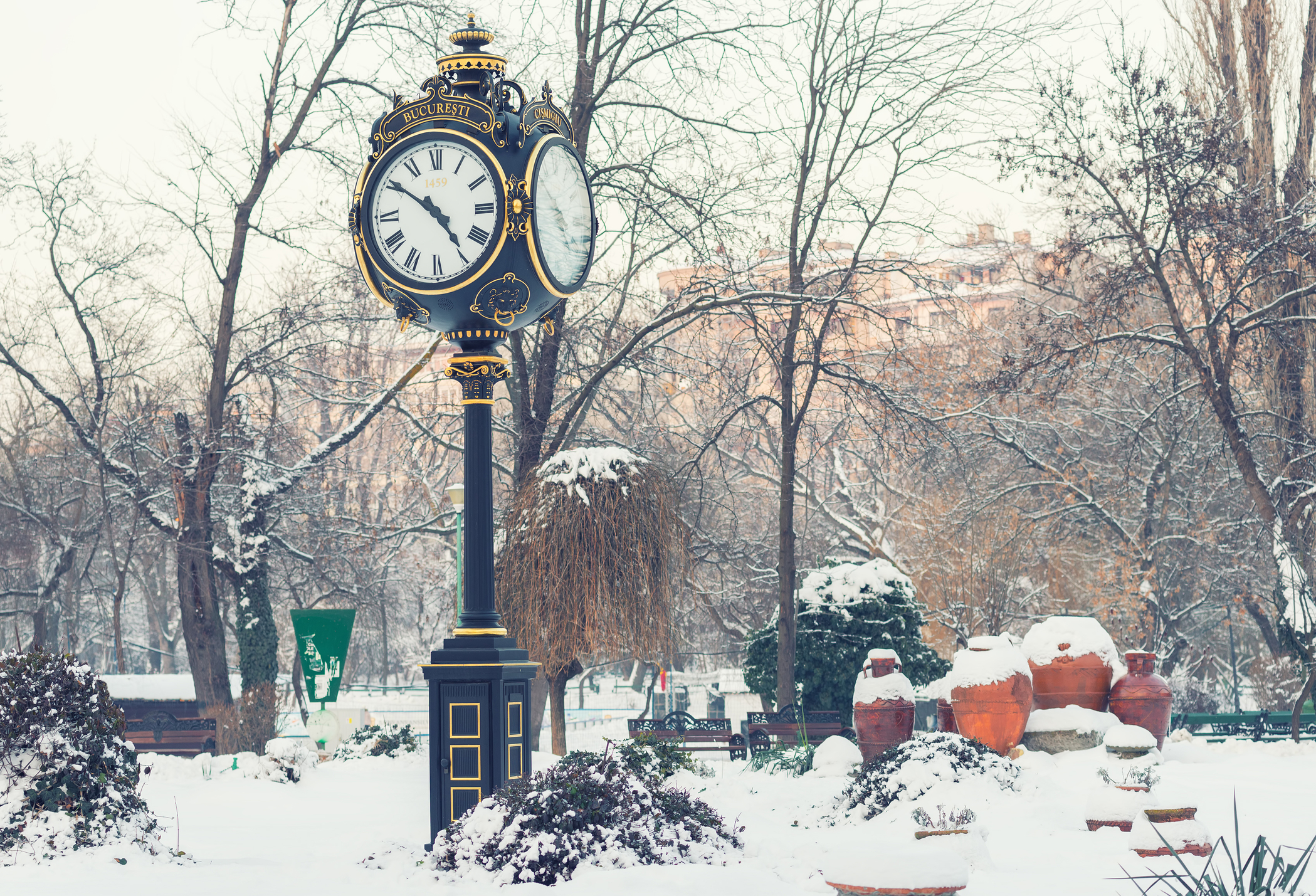
Cișmigiu Garden, directly beside Hotel Cișmigiu, is a constant presence — a place for walking, reading, and quiet observation. Many visitors include Therme Bucharest in their itinerary — a contemporary contrast to historic exploration. Located just outside the city, it complements a cultural city break by offering relaxation and recovery after days spent walking and discovering.

Travel to Bucharest: A City That Rewards Attention
To travel to Bucharest is to accept that the city does not reveal itself instantly. It is not loud, not perfectly polished, and not designed for quick consumption.
Authentic Bucharest is found in details: a quiet café near a bookstore, a faded façade next to a restored one, a museum visited on a cold afternoon, a slow walk through Cișmigiu at dusk. From Hotel Cișmigiu, Bucharest feels less like a destination and more like a lived city — one that invites you to stay, observe, and return.
Authentic Bucharest is not behind the postcards. It is between them.