Why Is Bucharest Called “Little Paris”?
Bucharest earned the nickname “Little Paris” during the late 19th and early 20th centuries, when French architecture, language and fashion strongly influenced the Romanian capital. Wide boulevards, Belle Époque buildings, literary salons and elegant social life transformed the city into one of Eastern Europe’s most cosmopolitan capitals. Today, visitors can still discover traces of this period through landmarks such as Calea Victoriei, Romanian Athenaeum, Cișmigiu Gardens and many historical buildings in central Bucharest.
For travelers staying at Hotel Cișmigiu, many of these places remain within walking distance. Let’s go together through the city of 100 years ago, by the time that Hotel Cișmigiu itself was built and was actually one of the most modern and important hotels in Bucharest.

The French Influence That Transformed Bucharest
The transformation of Bucharest accelerated under King Carol I, during a period when Romania looked strongly toward Western Europe for cultural and political inspiration. Members of the Romanian elite studied in Paris, attended the Sorbonne, read French literature and returned home with ideas about urban elegance, architecture and modern public life.
French became the preferred language of aristocratic salons and diplomacy, while Parisian customs influenced everything. French expressions appeared naturally in conversations, while Bucharest society constantly tried to imitate Parisian sophistication, sometimes elegantly, sometimes less so.
At the same time, French architects helped physically shape the city. Albert Galleron designed the iconic Romanian Athenaeum, while Paul Gottereau was the one to design some of the most iconic buildings in the city, such as The Royal Palace, CEC Palace, Cotroceni Palace and Central University Library of Bucharest.
This is what made “Little Paris” unique: Bucharest was never a copy of Paris, but rather a city adapting French sophistication into something local. Even today, parts of the historical center feel connected to that world, in long café conversations, hidden courtyards or old wine bars.

Hotel Cișmigiu and the Historical Center of Bucharest
To experience the spirit of authentic bucharest properly, location matters, but in the case of Hotel Cișmigiu, history matters just as much.
Originally opened in 1912 as Palace Hotel, the building appeared during the same Belle Époque period and quickly became one of the most modern buildings on Regina Elisabeta Boulevard, a growing cultural and social axis of the city.
The surrounding area reflected the ambitions of “Little Paris”: theatres, cafés, literary circles, elegant promenades and some of Bucharest’s most important public buildings concentrated nearby. Visitors, artists, businessmen and intellectuals moved constantly through this part of the city.
Today, restored carefully while preserving its Belle Époque identity, Hotel Cișmigiu offers something increasingly rare in European capitals: the possibility to stay inside a historical building that still feels genuinely connected to the city around it.
From here, you can walk easily toward The Old Town Bucharest, Calea Victoriei, as well as museums, theatres and historical passages throughout the center, that will transport you directly into that time.

Attractions of Bucharest That Come Directly from “Little Paris”
If you want to discover the traces of “Little Paris” that still survive in Bucharest today, there are some places where the atmosphere of the Belle Époque era can still be felt most clearly. Here they are:
- Calea Victoriei for historical architecture and cafés
- Romanian Athenaeum for concerts and French neoclassical design
- Cișmigiu Gardens for old Bucharest promenade culture
- Pasajul Macca-Vilacrosse for Paris-inspired arcade architecture
- Old Town Bucharest for historical streets and cafés
- Theodor Pallady Museum for the Paris-Bucharest artistic connection
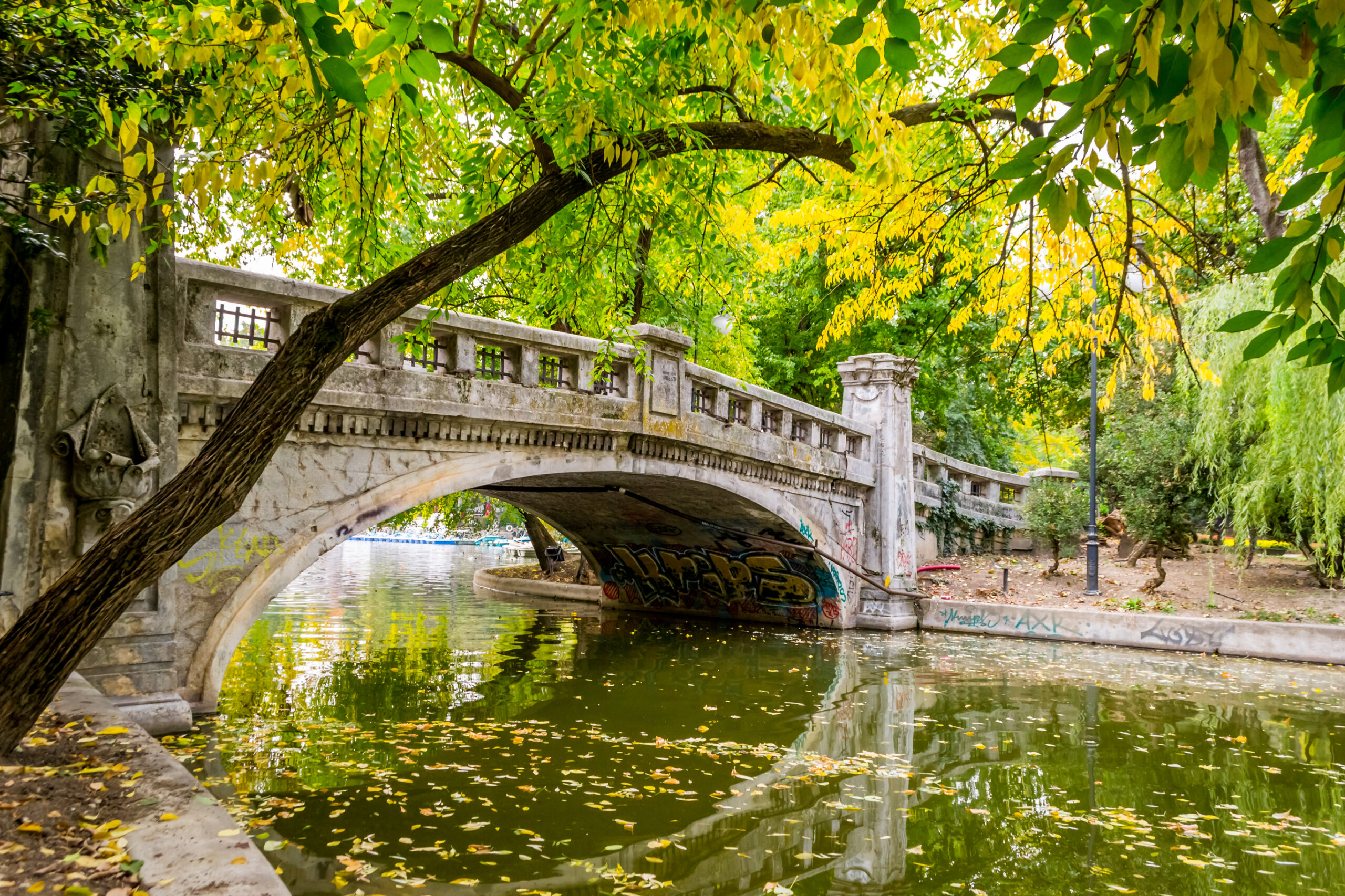
Cișmigiu Gardens was one of the symbols of elegant urban life during the Belle Époque years. Inspired by the public gardens of Western Europe, it became a fashionable meeting place for Bucharest society. You can say that it recalls the elegant promenade culture associated with Parisian parks like Jardin du Luxembourg, where social life unfolded through long walks, conversations and open-air concerts.
Today, it remains one of the first places worth visiting if you have accommodation in Bucharest at Hotel Cișmigiu, located just steps away from the park itself. Rent a boat on the lake during spring and summer, walk beneath century-old trees or stop at nearby terraces and observe daily local life far from the tourist crowds.
The Romanian Athenaeum is one of the buildings that best capture the spirit of Belle Époque. Designed by French architect Albert Galleron and inaugurated in 1888, it became a symbol of Romania’s cultural ambitions. It reflects the same Beaux-Arts and neoclassical elegance associated with Parisian cultural landmarks such as the Petit Palais or the Opéra Garnier.
Here, classical music became central, with figures such as George Enescu connecting Bucharest directly to the great European musical scene after studying in Paris and performing internationally. Today, visitors can attend concerts at the Athenaeum throughout the year, this being the epicenter of the International Classical Music Festival George Enescu.
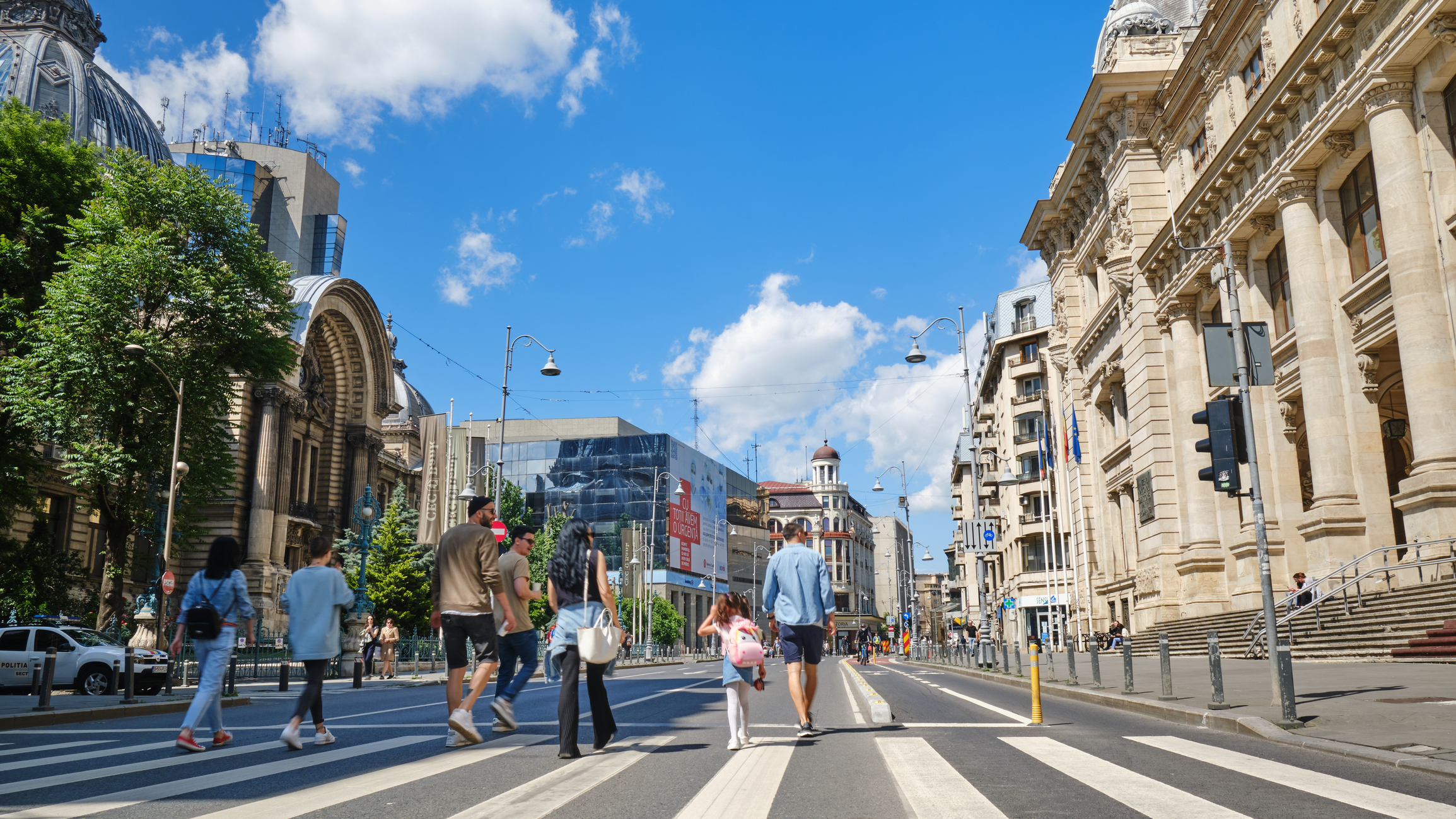
Calea Victoriei, the social stage of Bucharest then and now, is located just a five-minute walk from Hotel Cișmigiu. During the Belle Époque period, elegant promenades, cafés, hotels, theatres and luxury shops concentrated here, much like along the grand boulevards of Paris.
Today, especially during spring and summer weekends, the avenue becomes partially pedestrian during the “Open Streets” events, filling with outdoor terraces, street performers, live music, public art installations and people simply walking slowly through the center of the city. It is, perhaps, the closest modern Bucharest comes to recreating the social rhythm and atmosphere of its “Little Paris” years.
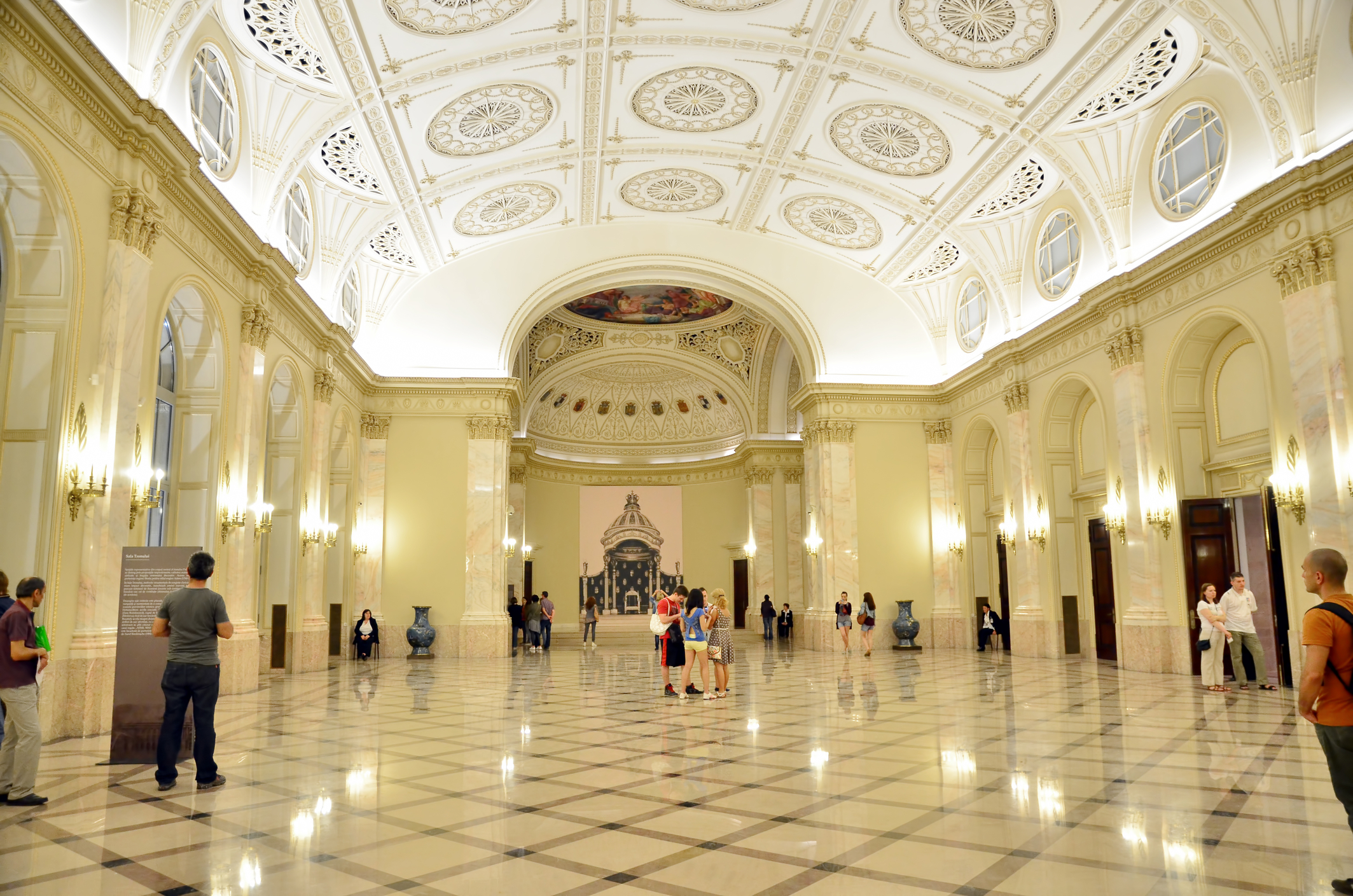
The National Museum of Art of Romania is housed inside the former Royal Palace used by King Carol I and later by the Romanian royal family. Today, visitors can explore collections ranging from Romanian medieval art to works by major European painters.
Meanwhile, the Theodor Pallady Museum tells a more intimate story about the artistic dialogue between Paris and Bucharest. Theodor Pallady studied in Paris and became connected to avant-garde circles associated with Henri Matisse, while Constantin Brâncuși built his legendary career largely in Paris without losing the Romanian influences that shaped his work.
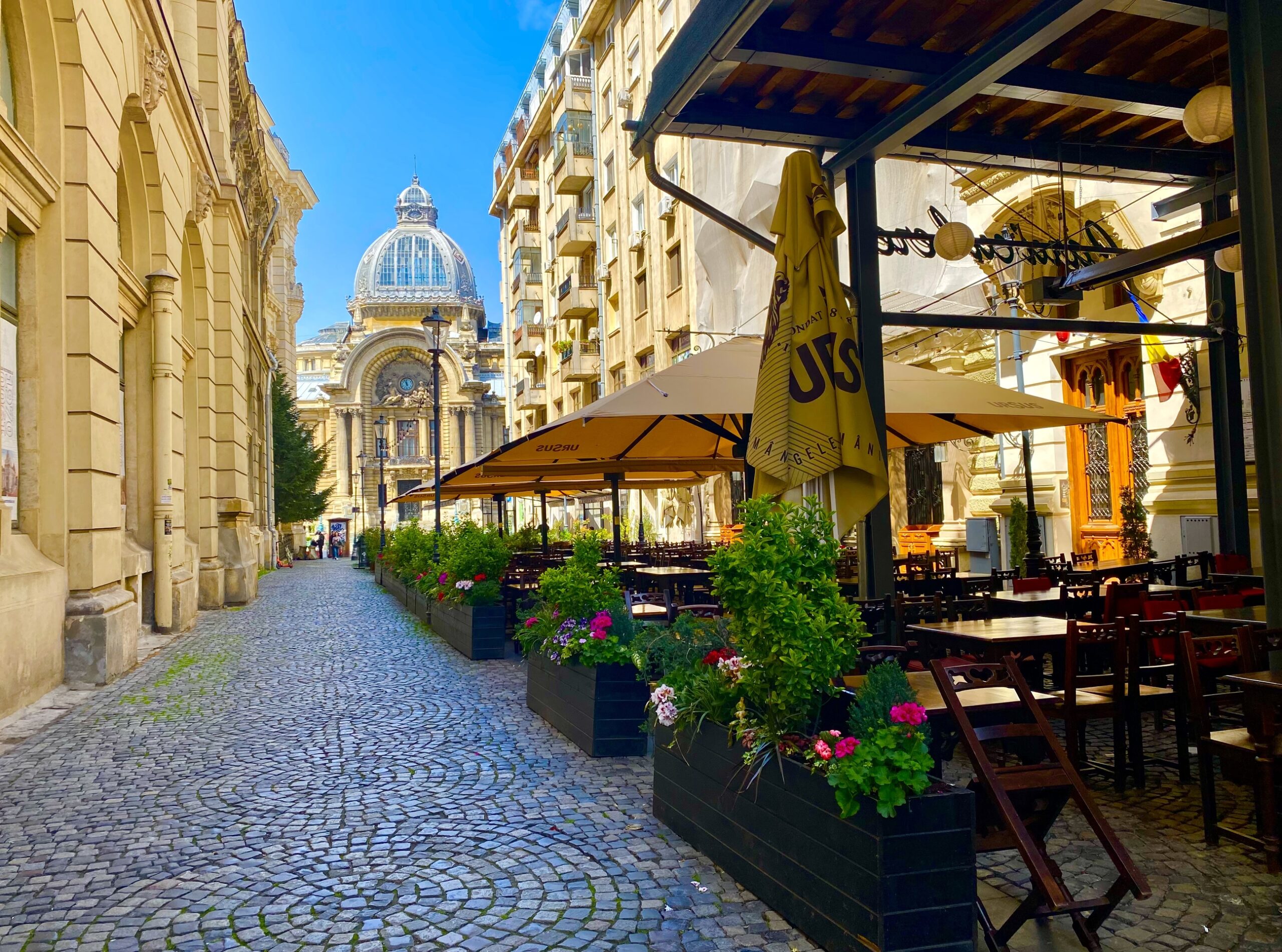
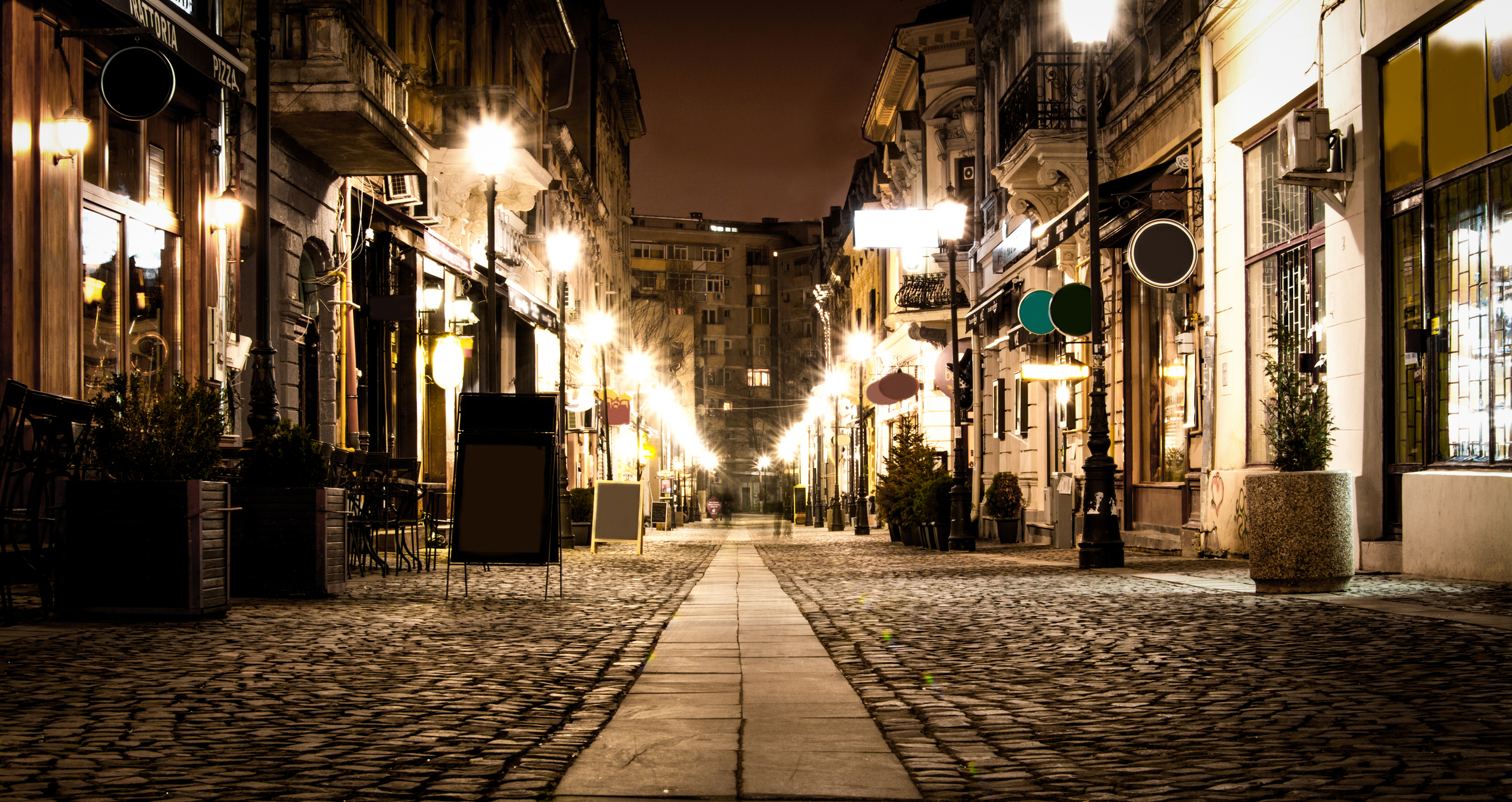
Old Town Bucharest. Today it is known for restaurants, terraces and nightlife, but historically, this was the commercial and social center of the city. Greek, Armenian, Jewish and Romanian merchants operated businesses here for centuries. Covered passages such as Pasajul Macca-Vilacrosse, inspired by the famous Parisian arcades, introduced the atmosphere of the French capital directly into old Bucharest.
On Lipscani Street, you can also discover The Museum of the Little Paris, a small museum dedicated to the Belle Époque lifestyle of Bucharest, with objects, photographs and interiors that recreate the atmosphere of the city during its “Little Paris” years.
Lesser Known Tourist Attractions in Bucharest. Some of the most memorable places in Bucharest are not the obvious landmarks, but the neighborhoods where the atmosphere of old “Little Paris” still survives quietly. Cotroceni is one of the best examples, with its elegant early 20th-century villas, tree-lined streets, small gardens and calm residential rhythm.
Start from Hotel Cișmigiu and cross the Dâmbovița River toward this elegant historical neighborhood. Walking through Cotroceni during spring, past Belle Époque villas, tree-lined streets and small cafés, offers a glimpse into the refined residential side of Bucharest once associated with the aristocratic atmosphere of “Little Paris.”

Where to Stay in Bucharest for an Authentic Experience
A central place to stay in Bucharest allows travelers to move naturally between museums, parks, restaurants, concert halls and historical streets without depending constantly on transport. For guests looking for a Bucharest hotel connected not only to the city, but also to its history, Hotel Cișmigiu remains part of the story of “Little Paris” itself.
When the building originally opened as the Palace Hotel in the Belle Époque era, it was considered one of the grand hotels of Bucharest. With more than 200 rooms, reading salons, correspondence rooms, billiard halls, French and Romanian cuisine, symphonic concerts during meals and multilingual staff brought from across Europe, the hotel reflected the cosmopolitan ambitions of the city at the time. French was heard more often than Romanian in its salons, while guests arrived to chandeliers, monumental staircases and the refined atmosphere expected from a major European capital.
More than a century later, the atmosphere has naturally changed, but part of that connection between hospitality and the cultural life of the city still remains. Today, the restored Belle Époque building offers spacious modern apartments, views over central Bucharest and direct access to the same boulevards, parks, theatres and cafés that once shaped the world of “Little Paris.
If you want to discover Bucharest beyond the usual tourist routes, a city break in Bucharest can become a journey through layers of history, architecture and atmosphere that still connect the Romanian capital to its cosmopolitan past.
From Hotel Cișmigiu, many of these places, stories and experiences remain just a short walk away.
FAQ
Why was Bucharest called “Little Paris”?
Because French architecture, language, fashion and café culture strongly influenced the Romanian capital during the Belle Époque period.
What are the best Belle Époque landmarks in Bucharest?
The Romanian Athenaeum, Calea Victoriei, Cișmigiu Gardens, Pasajul Macca-Vilacrosse and many historical villas in central Bucharest.
What are the best museums in Bucharest for understanding the city’s history?
The National Museum of Art of Romania, the Theodor Pallady Museum and the city’s smaller historical museums offer strong insight into Bucharest history and culture.
What is the best area to stay in Bucharest?
Central Bucharest, especially near Cișmigiu Gardens and Calea Victoriei, offers easy access to museums, restaurants and historical attractions.
Where can visitors still experience the atmosphere of “Little Paris” today?
Along Calea Victoriei, inside historical cafés and concert halls, in Cișmigiu Gardens and throughout parts of the Old Town and nearby Belle Époque neighborhoods.
